The Winston School San Antonio Presents
36th Annual Learning Symposium
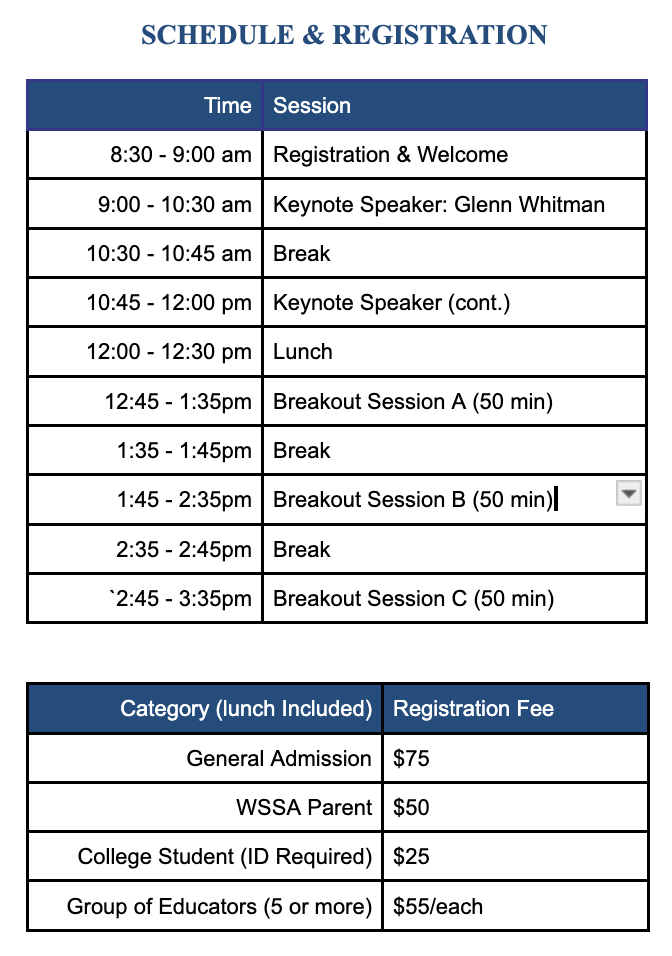
THIS EVENT WILL TAKE PLACE ON Friday, January 30, 2026
With Keynote Speaker
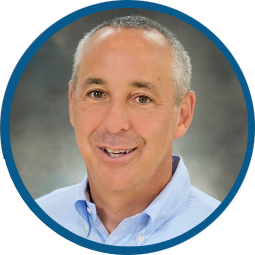
GLENN WHITMAN
History Teacher and Executive director cttl
Presenting
What All Educators Need to Know
About the Learning Brain in the age of AI
There is one indisputable educational truth. Every day, every student, in every school will have their brain with them. Shouldn’t then all teachers and school leaders have a foundational understanding of the science behind how the brain learns? Unfortunately, a student must get lucky to have a teacher or school leader who understands the most promising research and strategies in the field of Mind, Brain, and Education (MBE), especially at a time when AI tools are being further integrated into the student’s learning experience.
This session shares the MBE evidence base and the most promising PK-12th grade research and strategies that teachers and school leaders need to consider in their school’s context with their school’s students, as well as how AI aligns with what we know about the science of learning.
Participants will return to their schools, programs, and organizations with some fresh perspectives and "next-day" strategies and principles for beginning or elevating ways students learn and create, and how teachers consider and apply their "right-time" use of AI tools.
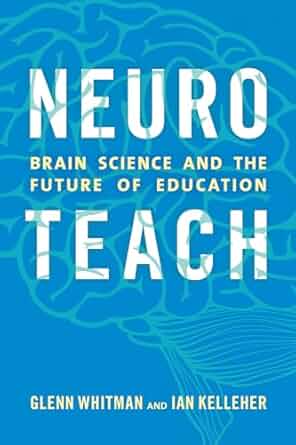
Glenn Whitman is a History teacher at St. Andrew’s (MD, USA), where he also serves as the Dreyfuss Family Director for the Center for Transformative Teaching and Learning (www.thecttl.org). Glenn is the co-author of Neuroteach: Brain Science and the Future of Education, co-designer of Neuroteach Global and co-editor of Think Differently and Deeply, the international publication of the CTTL. Glenn leads a team that focuses on the translation of the most promising research and strategies in the Science of Learning into instructional and student school experience design. Glenn earned his MALS from Dartmouth College and a BA from Dickinson College and has shared the work of the CTTL through publications such as Edutopia, Mind, Brain, and Education, ASCD Express, “Impact” from Charted College, and EdSurge and presented around the world at public, charter, private, and international school conferences including: NAIS, ASCD, ISTE, ASUGSV, Learning Forward, New Teacher Center, Learning and the Brain, researchED, and the Festival of Education (UK and USA).
REGISTER NOW
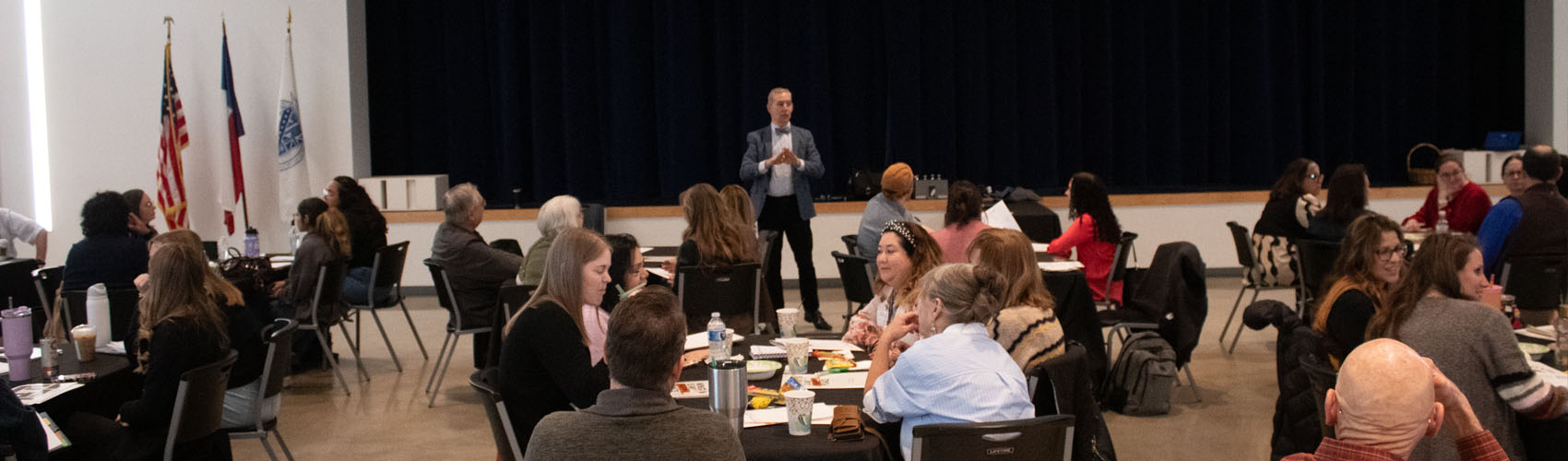
The Symposium is an affordable, engaging opportunity for parents, teachers, and counselors to earn professional development hours while acquiring valuable education tools targeted for all students—not only those with learning differences.
Register Now!
36th Annual Learning Symposium
Friday, January 30, 2026
For more information, contact us at outreach@winston-sa.org
or call (210) 615-6544
After the keynote presentation, there will be 6 Breakout Sessions on different topics for you to choose 3 Breakout sessions to attend
Breakout Sessions:

James A. “Jaime” Phalen, MD, FAAP
University Health
Dr. Phalen is a developmental-behavioral pediatrician with over 20 years of experience.
This presentation is essential for parents and teachers seeking clarity on behaviors seen in attention-deficit/hyperactivity disorder (ADHD) and autism spectrum disorder (ASD). We will move beyond symptoms to explore distinct brain-based differences in executive function, social awareness, and self-control that drive seemingly similar behaviors (like difficulty focusing or emotional outbursts). Learn to accurately identify the why behind the what, leading to targeted, effective, and compassionate support strategies in the classroom and at home.
Bio:
Dr. James A. “Jaime” Phalen is a Clinical Professor of Pediatrics at the Uniformed Services University and an Adjunct Professor of Pediatrics at UT Health San Antonio. He earned his medical degree from the Uniformed Services University of the Health Sciences in 1996 and completed his pediatrics residency at Keesler Medical Center in Mississippi in 1999. In 2005, he finished a fellowship in developmental-behavioral pediatrics at The Children’s Hospital/JFK Partners in Denver, Colorado. Dr. Phalen was a charter member of the American Academy of Pediatrics PREP® DBPeds Editorial Board. While working at Wilford Hall Ambulatory Surgical Center in Texas, he led teams focused on feeding, autism, spina bifida, and NICU graduates. He also served as Chief Military Consultant to the Air Force Surgeon General for Developmental Pediatrics. Dr. Phalen retired from the US Air Force in December 2016 after 28 years of service. He is board certified in general pediatrics and developmental-behavioral pediatrics, is a member of the American Academy of Pediatrics, and has presented and published nationally in his field. Currently, he works full time at University Health in San Antonio, where he continues to teach pediatric residents and see patients.
Teachers are both artists and scientists. Their canvas is the class period, and their science is grounded in research on how the brain learns. This session will workshop a practical model for structuring class periods based on key educational research findings. We will explore strategies like retrieval practice, fostering a sense of belonging, providing effective feedback, ensuring knowledge and skill transfer, using direct instruction, cultivating meta-cognition, employing formative assessments, enhancing memory, and assigning purposeful homework.
By the end of the session, teachers and school leaders will leave with a flexible framework that enables them to design class periods where students engage deeply and think critically about the targeted learning objectives and goals they are striving to meet.
This session will be presented just during the 1st session period because our Keynote Speaker is having a different presentation in the 2nd session.
Have you ever wondered what it would be like to play cards while laughing, debating, and thinking hard at a professional development session? Challenge your current thinking about teaching and learning by playing with the most promising research and strategies in the science of how the brain learns. Session participants will explore common neuromyths, defined by the OECD as "A misconception generated by a misunderstanding, a misreading, or a misquoting of facts scientifically established (by brain research) to make a case for the use of brain research in education and other contexts." Participants will leave this session with an understanding of neuro truths that are most likely to have an impact on the academic achievement and social and emotional development of their students and a way to bring play back to the professional learning of their colleagues.
This session will be presented just during the 2nd session period because our Keynote Speaker is leaving after this presentation.
From Dysregulation to Executive Function: Strategies for the Classroom
Presented by Nicole Santiago, M. Ed., Non-Attorney Advocate, SEAS Certificate--St. Mary's Law, and CEO of Family ADDventures
Discover how nervous system regulation supports executive functioning in students. This session explores key brain systems, practical strategies to move students from dysregulation to regulation, and includes a hands-on HeartMath demonstration.
This session will be presented just during the 3rd session period because our Keynote Speaker is only covering the 1st and 2nd sessions.
Bio:
Nicole Santiago, M. Ed., is a learning specialist and the founder of Family ADDventures Advocacy, where she serves as a bridge between families and schools. With over a decade of classroom experience and specialized training through COPAA, TOPAA, and St. Mary’s University Law School, Nicole is an expert in navigating the special education landscape. She combines her background in the Lives in the Balance Collaborative Problem Solving method with educational therapy techniques to advocate for neurodivergent students in any learning environment—online, homeschool, public, or private.
Nicole’s advocacy is deeply personal; it stems from her own fight to secure accommodations for her eldest son after years of him being overlooked by the system. This experience drives her mission to build self-confidence in children with unique nervous systems. Nicole works collaboratively with school teams to ensure every child receives the rights and services they deserve, empowering parents to advocate effectively for their children's future.
Presented by Nisi Bennett – All Heart Initiative
This session helps participants understand how mental health shows up across ages and abilities. Through a relatable weather metaphor—sunshine, rain, storms, and rainbows—attendees will explore stigma, symptoms, crisis response, and recovery. Practical strategies and interactive activities ensure everyone leaves empowered to support emotional well-being in their communities.
Bio:
My purpose is to provide clarity and quantifiable impact to nonprofits through strategic planning, project management, visual data, awareness, and communications.
With a background that spans several disciplines, I bring a wealth of experience to the table. I have worked extensively with diverse communities and organizations, fostering strong relationships and understanding unique business development strategies. My areas of focus on creating and delivering effective business strategies, project management, data-driven storytelling, and communication campaigns, have allowed me to develop successful strategies that resonate with various organizations.
My background includes business & nonprofit development, Emotional Intelligence, DEIB, ESG, mental health, Software as a service, and strategic digital communications. I excel at quickly adapting to different roles and programs, utilizing Lean Six Sigma Methodologies to integrate myself seamlessly into ongoing projects.
My specialties include Lean Six Sigma Black Belt, Healthcare Disparities, Mental Health, Population Health, Social Media, Project Management, Digital Content, Communication, Market Analysis, Training, Facilitation, Crisis Management, and Website Design. I am proficient in tools such as Microsoft, Google Drive, Adobe, Trello, Task Software Management, ClickUp, Descript, Anchor Podcast (Spotify), and more.
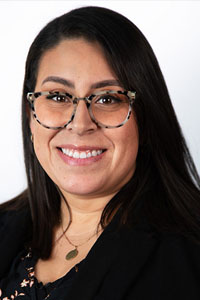
Presented by: Rebecca Juarez, LMSW - Assistant Professor of Practice, Social Work at UTSA
Working with children and teens can sometimes feel like trying to navigate a sea of emotional waves and storms—but we don't have to be stranded there without tools! In this session, we will have an introduction to using Polyvagal Theory to help regulate ourselves and our children/students so that we can best support them during their stormy stages. We will have a brief overview of how the adolescent brain works and then dive into the basics of Polyvagal theory so you can walk away from this session with practical tools & skills to help de-escalate high-stress interactions with clients. One quote that inspired the work I do and the concept behind this session is from Dr. Bruce Perry, "A dysregulated adult cannot effectively regulate a dysregulated child..
Presenter's Bio:
Being born and raised in San Antonio has given me a passion for appreciating and serving in this beautiful community. I received both my Bachelor's and Master's in Social Work from Our Lady of the Lake University and have had the opportunity to learn and work in a variety of roles since graduating. Throughout my time in the field, I have worked with children and young people displaying challenging behaviors, survivors of intimate partner violence, several school districts in and around San Antonio, the Bexar County court system, as a campus social worker at a middle school, and now as an Assistant Professor of Practice with the UTSA Social Work Department. Across all of these roles, I have always had a passion for teaching and training and have focused on topics such as trauma and brain development, early childhood development, working with children and adolescents in the school setting, responding to challenging behaviors in the classroom, responding to suicidal ideation in children and youth, and other similar topics.

Presented by Grizelda M. Anguiana, MD, FAAP, CPC, from Anchored Pediatric Mental Health & Family Coaching
Struggling with constant distractions? This session offers parents and educators a fresh, brain-based perspective on attention challenges. Instead of urging kids to “just focus,” we’ll explore the executive function, emotional, and environmental factors that shape real engagement and learning readiness. Walk away with simple, practical strategies rooted in modern science to help children move from distracted to genuinely focused at home and in the classroom.
Bio of presenter:
Dr. Grizelda Anguiano is a board-certified pediatrician specializing in pediatric mental health and family coaching, with a focus on neurodiverse children and ADHD. She founded Anchored Pediatric Mental Health & Family Coaching to provide comprehensive, holistic support to families navigating mental health challenges.
While recognizing that medication can have an appropriate role in treatment, Dr. Anguiano emphasizes a holistic approach that empowers children and families with tools
they can use throughout their lives. Her approach addresses all facets of well-being, including sleep, nutrition, movement, emotional regulation, and mindfulness, helping
children thrive beyond the need for medication alone.
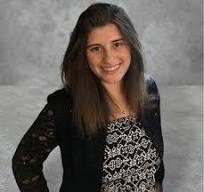
Presented by: Rebecca Engle, M.Ed.
In this essential session for parents and educators, Rebecca Engle, M.Ed., breaks down how today’s intelligent systems are engineered to capture and keep young minds hooked. With devices now leveraging AI to monitor micro-behaviors and personalize reward loops, students are facing a new psychological landscape marked by distraction, anxiety, burnout, and genuine tech dependency. Engle draws on her instructional technology research to reveal how algorithms exploit the brain’s reward pathways, why neurodivergent learners are disproportionately affected, and how digital overwhelm often goes unnoticed. Attendees will learn to identify the subtle signs of tech-induced stress and walk away with practical, sustainable strategies for setting boundaries, fostering mindful tech habits, and reclaiming attention for deeper learning and authentic human connection.
Bio
Rebecca Engle is a special education teacher and neurodivergent public speaker with a master’s degree in Educational Policy and Leadership from Texas Tech University. After making history in Texas politics at 19, she has continued to advocate for student rights and inclusive, trauma-informed educational policy. As an award-winning children’s author, dyslexia specialist, and national conference presenter, Engle amplifies the experiences of marginalized learners and challenges outdated behavioral systems that harm neurodivergent students. Her work centers on building safe, supportive learning environments, advancing neuro-affirming practices, and helping families and educators navigate the rapidly evolving intersection of technology, behavior, and the developing brain.

Each year, the Winston School San Antonio and EMSAC (Winston's Education, Medical, Scientific Advisory Council) work diligently to plan Winston's Learning Symposium — an educational event that provides the community with access to cutting-edge research and tools to help educate students with learning differences.
The Symposium allows us to extend Winston’s reach by providing important information to parents, education professionals, and others from across the state. Each year, the event features nationally renowned professionals and breakout sessions hosted by a select group of local professionals.