The Winston School San Antonio Presents
37th Annual Learning Symposium
AI as a Learning Ally
THIS EVENT WILL TAKE PLACE ON Friday, January 29, 2027
Registration will open on November 1, 2026.
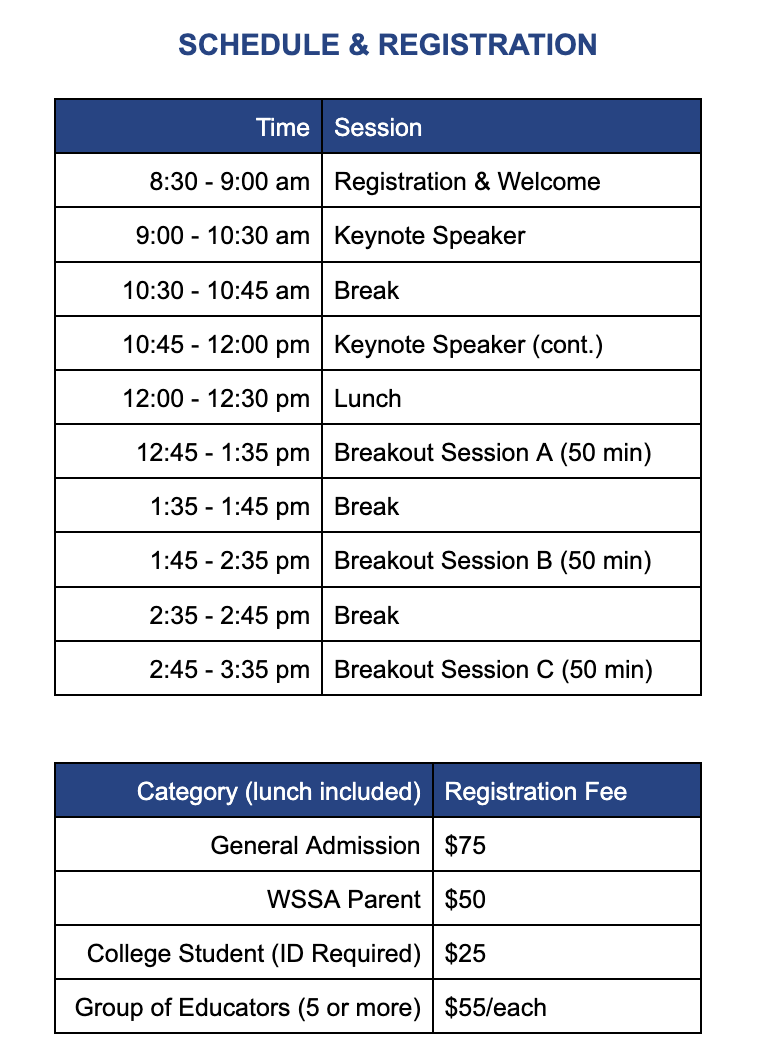
After the keynote presentation, there will be 6 Breakout Sessions on different topics for you to choose 3 Breakout sessions to attend
Breakout Sessions:
Executive functioning skills are essential for academic success, but students are often expected to demonstrate skills they have never been explicitly taught. How can educators and families move beyond simply expecting independence and begin intentionally developing it?
This interactive session bridges the gap between understanding executive functioning and putting it into practice. Participants will explore practical, research-aligned strategies for supporting organization, time management, task initiation, emotional regulation, and self-monitoring. Through real-world examples, we will examine how small adjustments to routines, environments, instructional practices, and adult language can reduce unnecessary barriers while strengthening student responsibility and independence. Participants will leave with actionable strategies they can implement immediately, along with a framework for gradually transferring responsibility from adults to students. This breakout session will be presented only twice, during the first and second sessions.
Bio:
Erika Hardy, M.Ed., is a Learning Specialist at Parish Episcopal School, educational consultant, and founder of Hardy Learning Essentials. With over a decade of experience in education, she specializes in executive functioning, learning differences, and the development of independent learners. She has designed and implemented learning support programs, executive function curricula, and professional development initiatives in both domestic and international schools. Through her work, Erika empowers educators, families, and students with research-informed strategies that bridge cognitive development, classroom practices, and student success.
Neurodivergent learners who struggle with working memory often need scaffolding when it comes to reviewing content in preparation for assessments. Emerging and continually improving AI tools like Gemini Notebook serve as an external working memory, allowing students to interact with a high volume of notes, readings, and source material that they may encounter in their courses. Gemini Notebook supports learners in developing their own executive functioning systems and skills for academic success.
This interactive workshop equips educators at any skill level to coach students in creating their own Notebooks. We'll work as students to curate sources from a sample unit, choose review formats, and draft prompting language students can use to make their chats more effective. Educators at any comfort level will leave with a repeatable coaching sequence and a starter Notebook of their own.
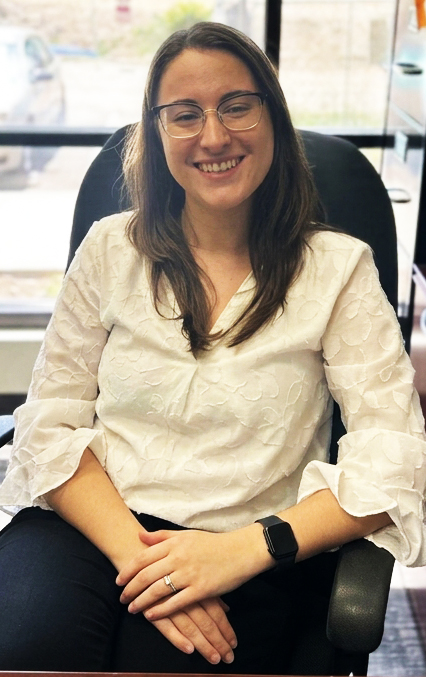
This session explores the evolving landscape of teen mental health in San Antonio and the growing influence of artificial intelligence on young people’s well-being. We’ll discuss the potential benefits and risks of AI for teen mental health, emphasizing that AI should bridge to human support, not replace it. The presentation will include real-life examples of how to use AI responsibly and will introduce a free mental health resource available to teens. Join us to learn practical ways AI can support youth mental health and how to share this valuable resource with teens in your community.
Bio:
Jacklynn Ware graduated from the University of Texas at San Antonio with a Bachelor of Science in Public Health and completed her Master of Public Health from the University of Texas School of Public Health. She began her health education work as a research associate with substance misuse and HIV/AIDS prevention education projects (Project S.H.A.P.E. and Pathways to Prevention). Jacklynn joined the UT Teen Health staff in 2021 and brings her experience in educating youth and young adults about opioid misuse, medication safety, HIV, and PrEP. She is currently the project coordinator for the Project Youth Empowerment and Support for youth mental health well-being, a partnership with Northwestern University to provide evidence-based, online modules for adolescents who may be feeling anxiety and stress.
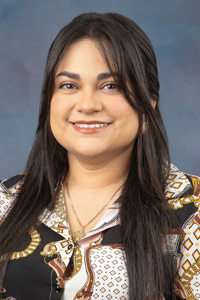
What video games are my kids actually playing, and does the type of game matter? This session will explore video games through a school psychology lens, moving beyond the idea that all gaming is the same. Participants will examine how game type, individual student characteristics, context, purpose, and impact can shape a student's gaming experience. The session will explore potential opportunities for creativity, problem-solving, motivation, recreation, and social connection, while also considering what gaming may displace, including sleep, physical activity, face-to-face relationships, other hobbies, and offline opportunities for play and connection. Participants will be introduced to a practical framework for considering whether gaming is functioning as recreation, regulation, connection, learning, avoidance, or impairment. Through brief gameplay examples, case scenarios, and audience discussion, participants will practice examining what different gaming experiences provide, what they may replace, and how their impact can vary across students. Participants will leave with practical questions for thinking about gaming in context rather than relying solely on generalized screen-time recommendations or number of hours.
Bio:
Karen Ruiz, M.A., NCSP, is a dedicated School Psychologist who earned her Master of Arts in School Psychology from the University of Texas at San Antonio and her Bachelor of Arts in Psychology with a minor in Studio Arts from the University of Rochester. She is also a Nationally Certified School Psychologist (NCSP), a credential that reflects her expertise in supporting students’ academic, social, and emotional development according to nationally recognized standards. Before joining WSSA in 2023, she worked as a School Psychologist (credentialed as a Licensed Specialist in School Psychology) in San Antonio ISD and North East ISD, and completed her practicum with A.I.M., where WSSA was one of the schools she supported.
Her professional experience includes roles as a tutor in Title I schools, academic coach for students with disabilities, instructional assistant in a Head Start program, and she has been trained in applied behavior analysis and behavior interventions. She also gained research experience as a research assistant in the Social Stress Psychology Lab at the University of Rochester. While in graduate school, she contributed to a poster presentation on a literature review of mindfulness-based interventions for test anxiety and academic performance, which received the UTSA Graduate Student Professional Development Award and was presented at both the Texas Association of School Psychologists Fall Professional Development Convention and the National Association of School Psychologists Annual Convention. Mrs. Ruiz has also been recognized with several academic honors, including the University of Rochester George Eastman Young Leaders Award.
As AI and digital technologies become increasingly integrated into education and everyday life, we face an important question: How do we leverage these tools to support learning without compromising the development of the very skills students need to become independent thinkers?
This session explores the intersection of executive functioning, cognitive development, and emerging technology. We will examine how digital tools and AI can support students with planning, organization, task initiation, and learning differences, while also considering the potential consequences of outsourcing cognitive effort during critical developmental years. Participants will explore a thoughtful framework for determining when to introduce technology, how to scaffold its use, and when to encourage students to work independently. Rather than approaching AI as inherently beneficial or harmful, this session invites educators and families to consider how intentional exposure, skill development, and integration can help students use technology as a tool for growth rather than a substitute for thinking. This breakout session will be presented only once, during the third session.
Bio:
Erika Hardy, M.Ed., is a Learning Specialist at Parish Episcopal School, educational consultant, and founder of Hardy Learning Essentials. With over a decade of experience in education, she specializes in executive functioning, learning differences, and the development of independent learners. She has designed and implemented learning support programs, executive function curricula, and professional development initiatives in both domestic and international schools. Through her work, Erika empowers educators, families, and students with research-informed strategies that bridge cognitive development, classroom practices, and student success.

This presentation will address the “dos and don’ts” of effective communication practices when responding to students who demonstrate challenging behaviors. Participants will learn why the “brain” may escalate and provide proactive “points to ponder” that may assist in the de-escalation process. Information discussed will emphasize taking a closer look at how to enrich all your present intervention techniques while keeping in MIND the process of SEL (Social-Emotional Learning) as the young, (K-12) brain develops.
Bio:
M.Ed. Special Education and Education of the Visually Impaired, BS in General Education and Education of the Hearing Impaired.

Autistic camouflaging, also known as masking, occurs when autistic individuals hide, suppress, or modify their natural behaviors to meet social expectations. Although camouflaging may help students navigate certain situations, it can also contribute to stress, exhaustion, and a reduced sense of authenticity. This session will help families, educators, and clinicians recognize some common examples of camouflaging and better understand why autistic students may mask across, school, home, and community settings.
Bio:
Cha Yong is a doctoral candidate in the School Psychology Ph.D. program at the University of Texas at San Antonio (UTSA). She earned her Master of Arts in Educational Psychology from UTSA, with a concentration in behavior assessment and intervention. She is a Board-Certified Behavior Analyst (BCBA) with clinical experience supporting autistic children and adolescents. Her research focuses on autistic camouflaging and its relationship with mental health and identity. Through her doctoral training, she aims to integrate her background in applied behavior analysis with psychological assessment and culturally responsive practices to support diverse learners across school and healthcare settings.
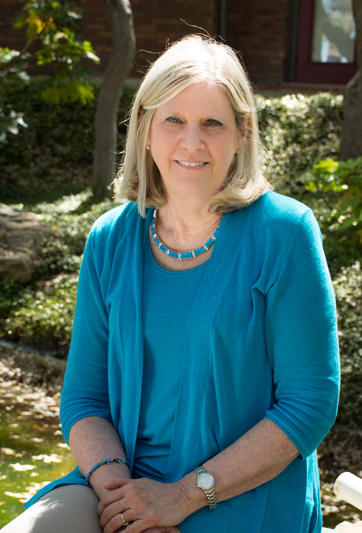
The one question always asked when consulting with teachers, parents and other adults is how to effectively address the behaviors demonstrated by neurodivergent children. Behavior is a child’s way of communicating to their world what they are feeling or experiencing. Many behaviors of young children are neurologically based not psychically based.
Strategies will be discussed for handling various behaviors including how to effectively deal with a meltdown, refusing to stay seated in a classroom. homework, the ride home, refusing to compose sentences and others. Other strategies will include how to avoid behaviors in the first place.
Jeannette’s goal is to make life easier for people who teach, support or take care of children Over the years, she has compiled a list of practical strategies to address the often-challenging behaviors that teachers, parents and caregivers encounter daily. The goal is to provide practical strategies that adults can immediately apply in everyday situations.
Bio:
Jeannette Schwartz has over 30 years of experience working with neurodivergent children in schools and her private practice.she evaluates and develops treatment plans for children with learning disabilities, autistic spectrum, sensory processing disorders, dysgraphia and related challenges.
Jeannette’s professional experience is educationally based. In addition to maintaining a private practice, she has worked in public schools and consulted with private schools regarding specific students. Her patients have been my greatest teachers, continually informing and shaping her strategies.
It has been Jeannette’s passion to serve children who fall between the cracks in the traditional medical and educational models and helping adults better understand and respond tochildren’s needs.
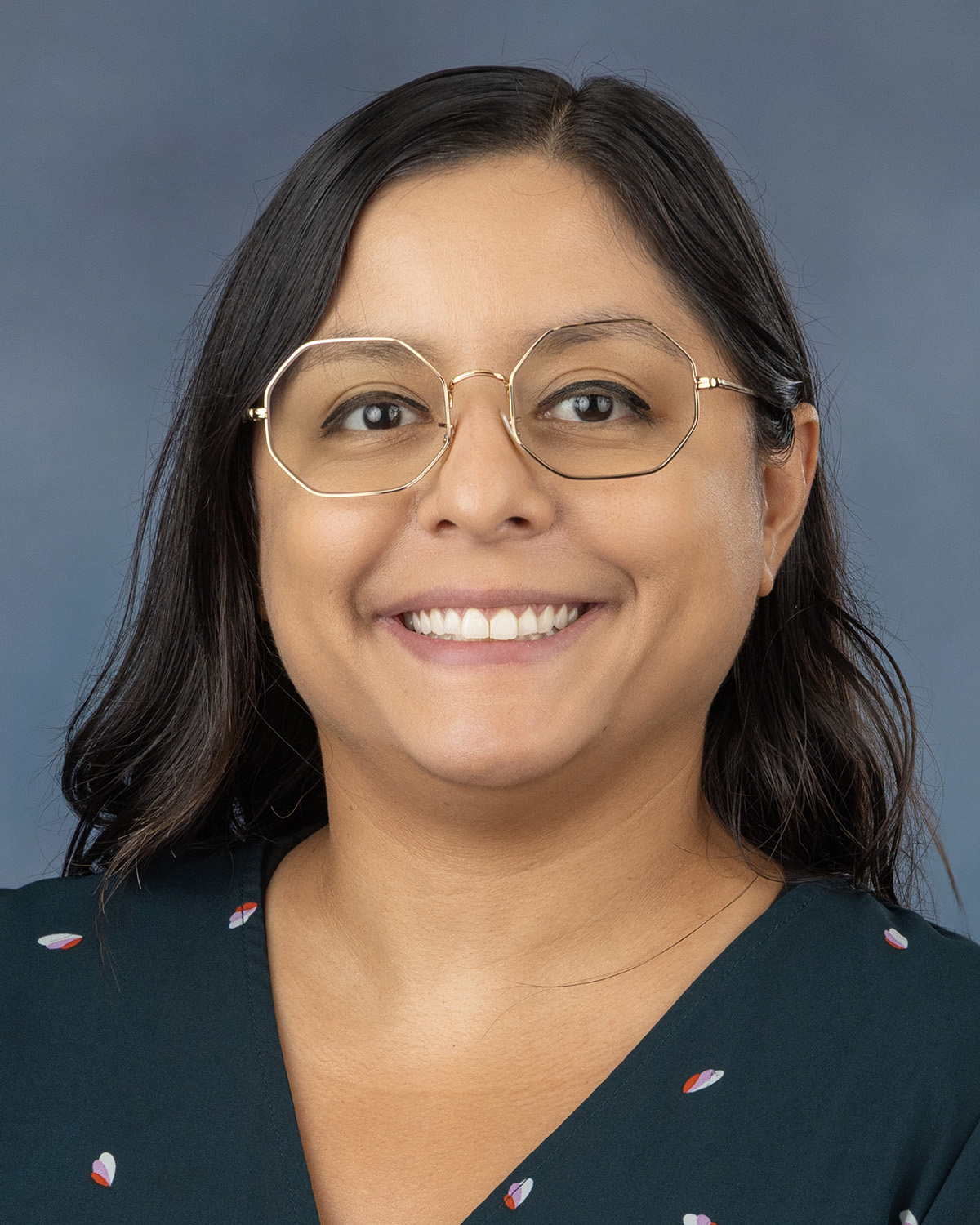
The one question always asked when consulting with teachers, parents and other adults is how to effectively address the behaviors demonstrated by neurodivergent children. Behavior is a child’s way of communicating to their world what they are feeling or experiencing. Many behaviors of young children are neurologically based not psychically based.
Strategies will be discussed for handling various behaviors including how to effectively deal with a meltdown, refusing to stay seated in a classroom. homework, the ride home, refusing to compose sentences and others. Other strategies will include how to avoid behaviors in the first place.
Jeannette’s goal is to make life easier for people who teach, support or take care of children Over the years, she has compiled a list of practical strategies to address the often-challenging behaviors that teachers, parents and caregivers encounter daily. The goal is to provide practical strategies that adults can immediately apply in everyday situations.
Bio:
"Almendra Reyes is a dedicated and experienced Licensed Specialist in School Psychology with a strong commitment to fostering student academic success through collaborative efforts. She holds a Master of Science in School Psychology from Our Lady of the Lake University.
Almendra has served as an LSSP across several districts in San Antonio, including Edgewood ISD, Southwest ISD, and San Antonio ISD. In these roles, she provided vital support to multiple schools by conducting comprehensive evaluations, participating in ARD meetings, and working closely with teachers to develop and implement effective IEPs and interventions. Currently, Almendra is a School Psychologist at The Winston School San Antonio, where she specializes in conducting psychoeducational evaluations to support students with diverse learning needs.
In addition to her work in school settings, Almendra has contributed to academia as an Adjunct Faculty member at San Antonio College, teaching general psychology as a dual credit course.
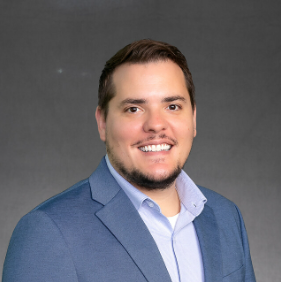
AI is changing how we learn, teach, and work, but using it effectively requires more than knowing how to write a good prompt. This session will break down how AI works in everyday terms, explore the differences between models and tools, and help participants understand how to get more useful, reliable results. We’ll move beyond the basics to explore practical ways AI can support studying, organization, executive functioning, and independent learning. Along the way, we’ll address common misconceptions, responsible use, and important considerations around privacy and safety. Designed for educators, parents, and anyone curious about AI, this session aims to build confidence and understanding so participants can make informed choices about when, why, and how to use AI as a learning ally.
Bio
Phillip Page, LSSP, NCSP, is a school psychologist and Director of The Gilman Study at Parish Episcopal School in Dallas, Texas. With nearly two decades of experience across public and independent K–12 schools, as well as experience conducting evaluations in a neuropsychology clinic, he brings a broad perspective to student support and educational leadership.
Throughout his career, Phillip has served in leadership roles spanning special education, admissions, and student support services. These experiences have given him a deep understanding of the systems and relationships that shape student success.
Phillip has provided professional development at schools including The Winston School Dallas and St. Mary’s Hall. He has also presented at conferences for the Texas Alliance of Accredited Private Schools (TAAPS), regional and national school psychology associations, universities, and educational leadership organizations.
His professional interests include learning differences, executive functioning, mental health, and educational innovation. Drawing on his background in psychology, neuropsychological evaluation, and educational leadership, Phillip brings a practical, student-centered perspective to helping educators and families work smarter, not harder.
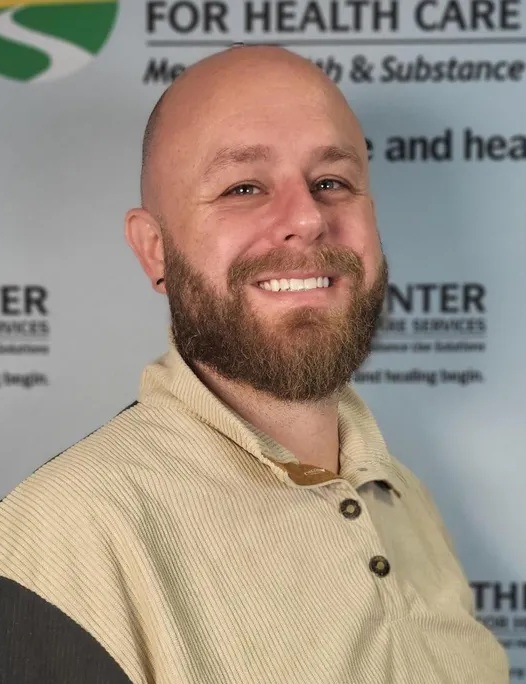
The goal is to educate young people, parents, and professionals about both the benefits and risks of AI, empowering them to use it responsibly as AI is critically shaping the future.
Bio:
Nickolas Raczek—known to friends and colleagues as Nick—is a high-energy Licensed Professional Counselor and the Clinic Administrator for CHAAT at CHCS, where he is currently spearheading a revolution in mental health care! With a career that took off in 2015, Nick has become a powerhouse in the industry, driven by an unshakable commitment to advancing clinical excellence through a compassionate, relational leadership style that puts people first.
Leadership is the heartbeat of everything Nick does. Drawing from a diverse professional tapestry that includes hospitality, education, and years of coaching young athletes, Nick understands that true leadership is about shaping character. His philosophy is rooted in nurturing the next generation of leaders and empowering every individual he meets to realize their full, untapped potential. Whether he is mentoring a staff member or guiding a young person through a difficult season, Nick leads with a heart for service and a vision for growth.
He is currently leading the charge to raise awareness about the mental health and crisis issues facing today’s youth. Nick is a vocal champion for suicide prevention, focusing his boundless energy on community education to stop crises before they start. He believes that by equipping young people and their mentors with the right tools, we can create a future where every child feels seen, heard, and supported

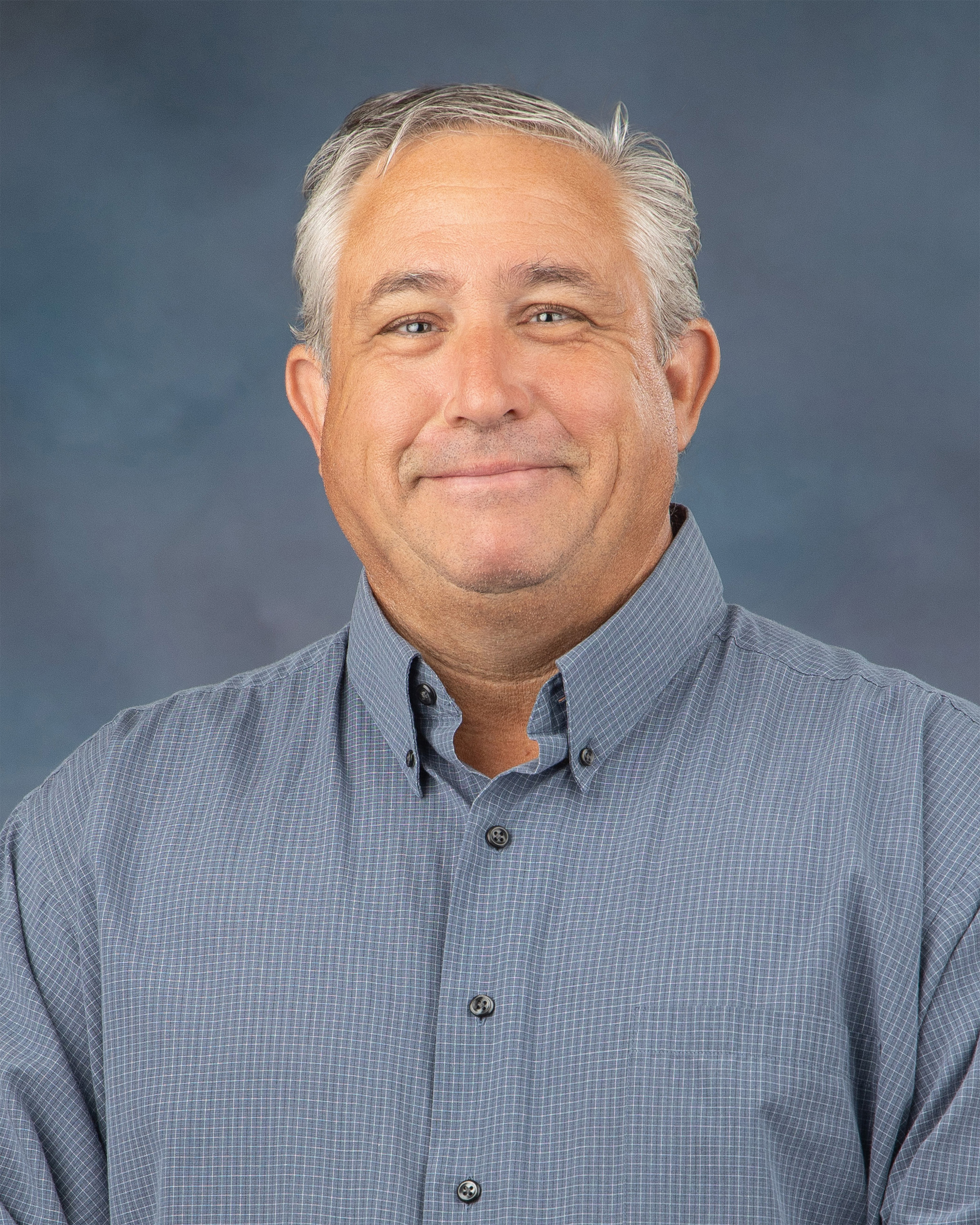
An engaging, research-informed presentation exploring how parents & educators can help children and adolescents build resilience by learning to navigate anxiety, make mistakes, experience disappointment, and work through uncomfortable situations. We will examine the importance of balancing support with opportunities for independence, understanding that anxiety is a normal part of the human experience and that manageable challenges can help children develop confidence, coping skills, and emotional resilience. We will also explore how social media influences anxiety, self-esteem, social comparison, and young people's ability to navigate real-world challenges, along with practical strategies adults can use to foster resilience in an ever-changing world.
Bio:
Heidi Johnson, M.Ed. - The Winston School San Antonio's Counselor
Ms. Johnson received her Bachelor of Arts degree in psychology from Siena College in Loudonville, NY, and earned her Master of Education in School Counseling from the University of Maryland in College Park, MD. She is a Texas-certified School Counselor and a CREST award recipient, which recognizes model school counseling programs from across the state. Before joining The Winston School, Ms. Johnson served as a School Counselor with The Boerne Independent School District. Additionally, Ms. Johnson has lived and worked as a School Counselor and held other mental health positions in Maryland, Georgia, Tennessee, and New York. She is proud to be a part of The Winston School San Antonio and is looking forward to continuing to build relationships and work with our students, staff, and Winston families.
Steven Yocham, M.Ed. - Director of the Student Experience - The Winston School San Antonio
For 25 years, Mr. Yocham has been a cornerstone of the Winston community. As Director of the Student Experience, he supports and guides every step of the educational process for our students. He earned a Bachelor of Science in Biology from the University of Texas at San Antonio and holds a Master of Education in Curriculum and Instruction with Technology from Houston Baptist University.
37th Annual Learning Symposium
Friday, January 29, 2027
For more information, contact us at outreach@winston-sa.org
or call (210) 615-6544
Each year, the Winston School San Antonio and EMSAC (Winston's Education, Medical, Scientific Advisory Council) work diligently to plan Winston's Learning Symposium — an educational event that provides the community with access to cutting-edge research and tools to help educate students with learning differences.
The Symposium allows us to extend Winston’s reach by providing important information to parents, education professionals, and others from across the state. Each year, the event features nationally renowned professionals and breakout sessions hosted by a select group of local professionals.